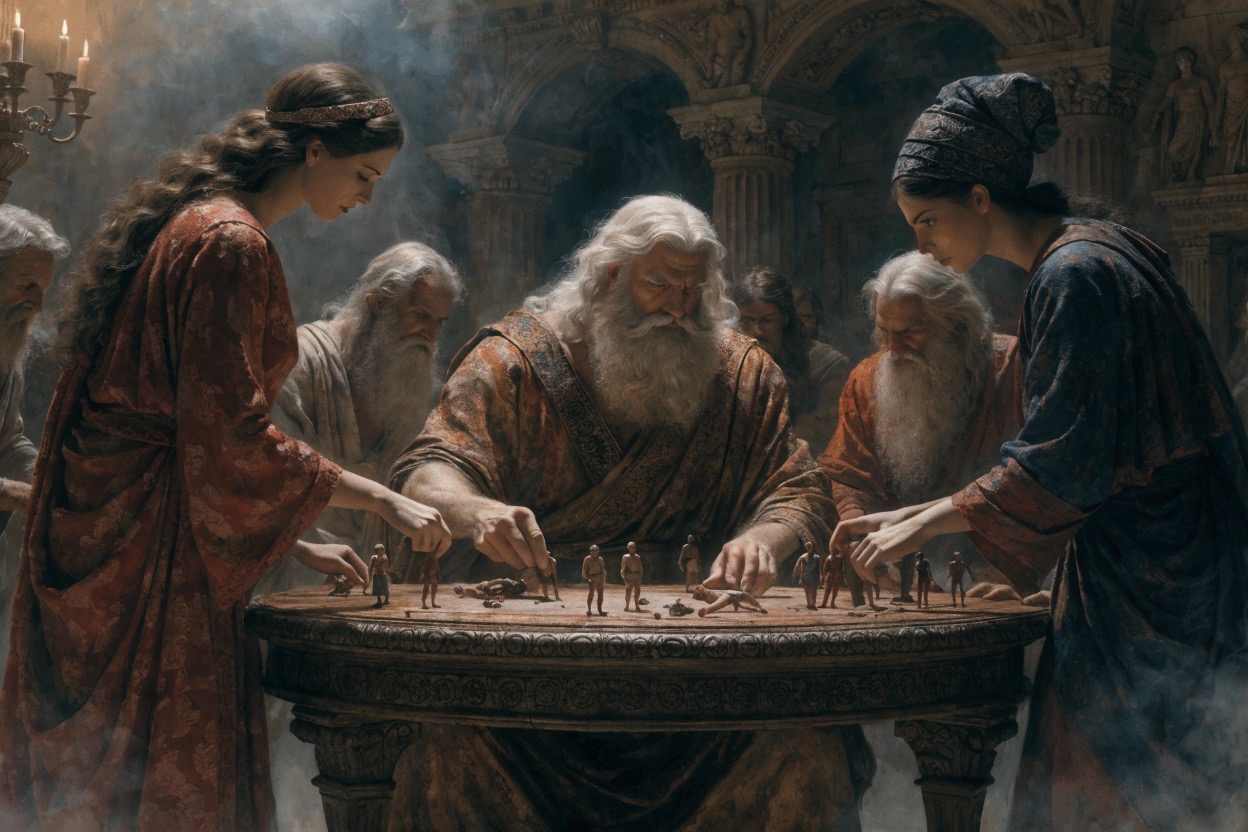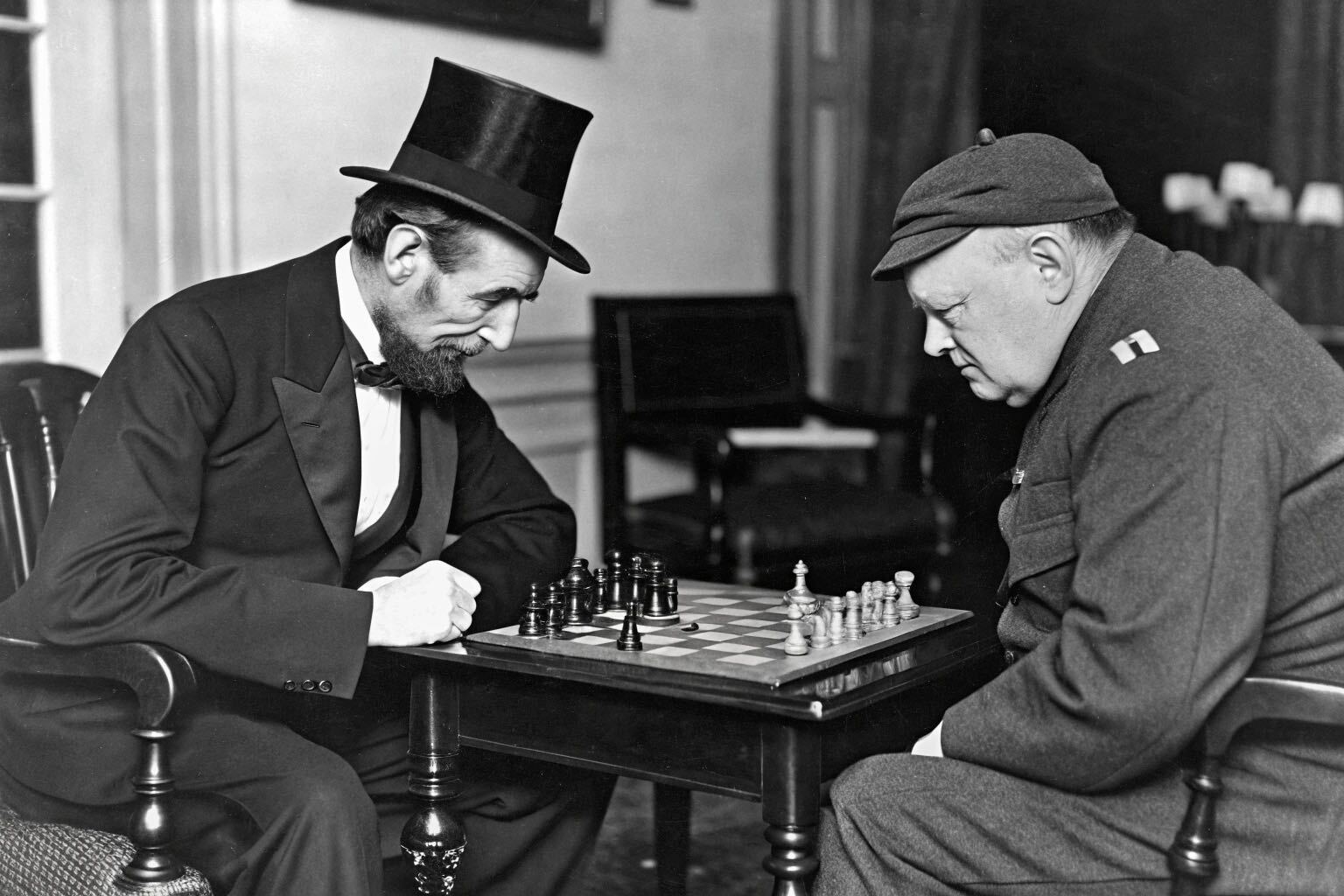
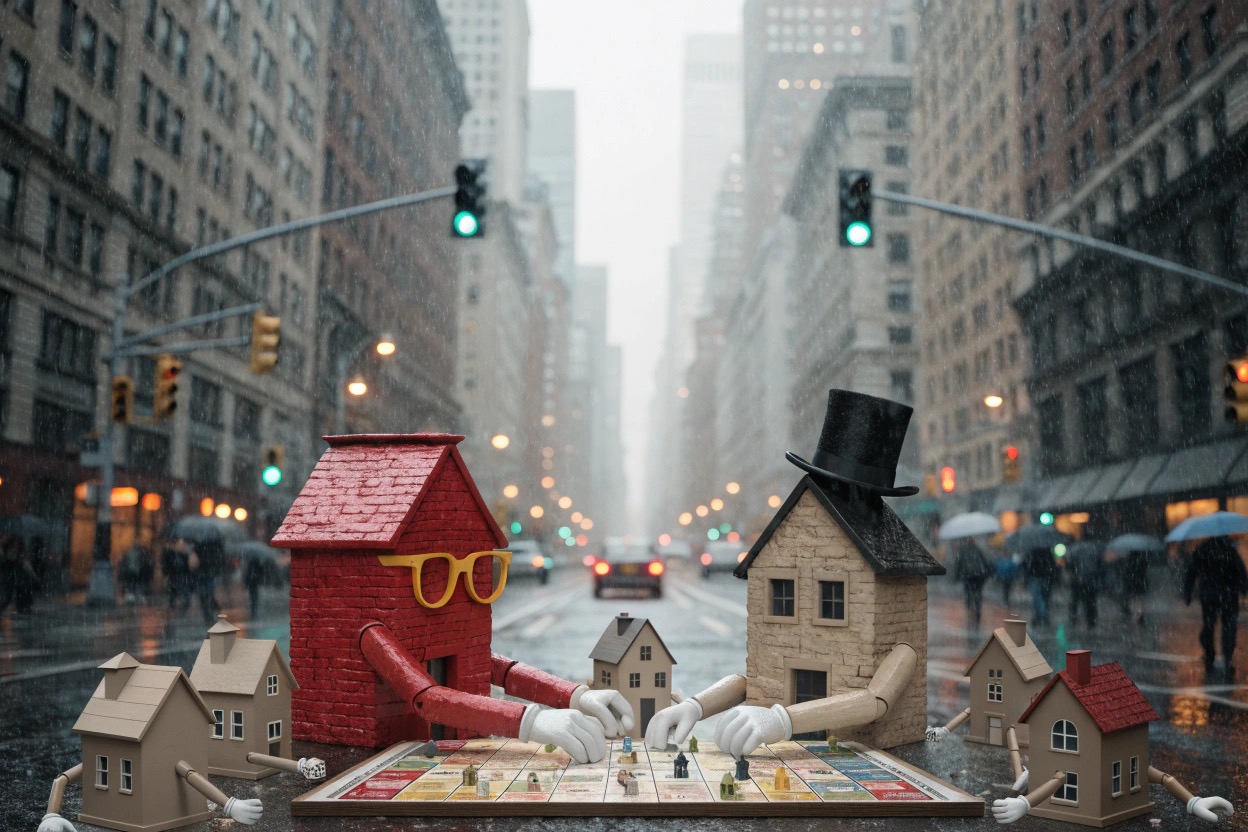
Anyone who has rolled dice on a board has said at least once: "We don't play it that way." House rules are often dismissed as casual tweaks. Shortcuts for impatient players or patches for perceived flaws. Sometimes though, house rules do something much more interesting. Sometimes, they become canon.
No matter how hard some publishers might try, rulebooks are not sacred scripture. They are a snapshot of a designer's intent at a moment frozen in time.
It is on the table where reality intervenes...
Players discover strategies that stall momentum, or economic assumptions that unnecessarily inflate time. Some find eliminations discourage play or lead to downtime that depletes a desire to replay. Yet in households in every nation all over the world, players continue to adjust.
Rules that stuck
What's fascinating is not that house rules exist; it's that some become widespread enough to redefine a game entirely:
- En passant — a house rule 500 years ago, standardised 200 years later
- Free parking jackpot — no official basis, yet most consider it canonical
- Auctioning unbought properties — an official rule most think is a house rule
- Homebrew classes — entire D&D settings born at home tables first
- Suicide chess — forcing captures inverts the entire objective of the game
Some of these are centuries old. Others emerged last year. The pattern is the same: players find something worth changing, change it, and the better version spreads. Most of these variants have never been formally documented. They live in forum threads, hand-written notes, and the memories of players who may not realise they are carrying such important traditions with them.
Why does this matter?
House rules reveal three critical truths:
- Players are active participants in design, not passive consumers
- Communities will optimise for fun over purity
- The final version of the game may not be the one printed
For designers, this can feel uncomfortable. For publishers, it can feel threatening, but this may also be the healthiest signal a game can receive. If players are rewriting your rules, it implies they are deeply engaged with your system. The line between player and designer blurs, and when that happens, innovation is most certainly accelerated. At this point, those participating are doing exactly what we explore in Making Mods Matter: crossing the line from consumer to creator.
"Rulebooks are not sacred scripture. They are a snapshot of a designer's intent at a moment frozen in time."
Versioning the tabletop
What if publishers actively tracked and encouraged house rules? In a digital era, rules no longer need to be static. They can be versioned, tested, forked and merged.
The open-source model we are building treats house rules as first-class contributions. Our Moddable Rules engine versions every rulebook, tracks changes, and publishes every difference. When a community discovers a better rule, it can be merged upstream and in-turn benefit everything downstream.
We have started with the process of gathering variations with chess: 74 variants documented, each with full rules, board diagrams, and version history. Checkers and Go are next, with their own deep traditions of regional variation that have never been collected in one place. Beyond our own games, the long-term vision is a public archive where anyone can submit, document, and preserve the variants their community plays. Not just our house rules. Yours too.
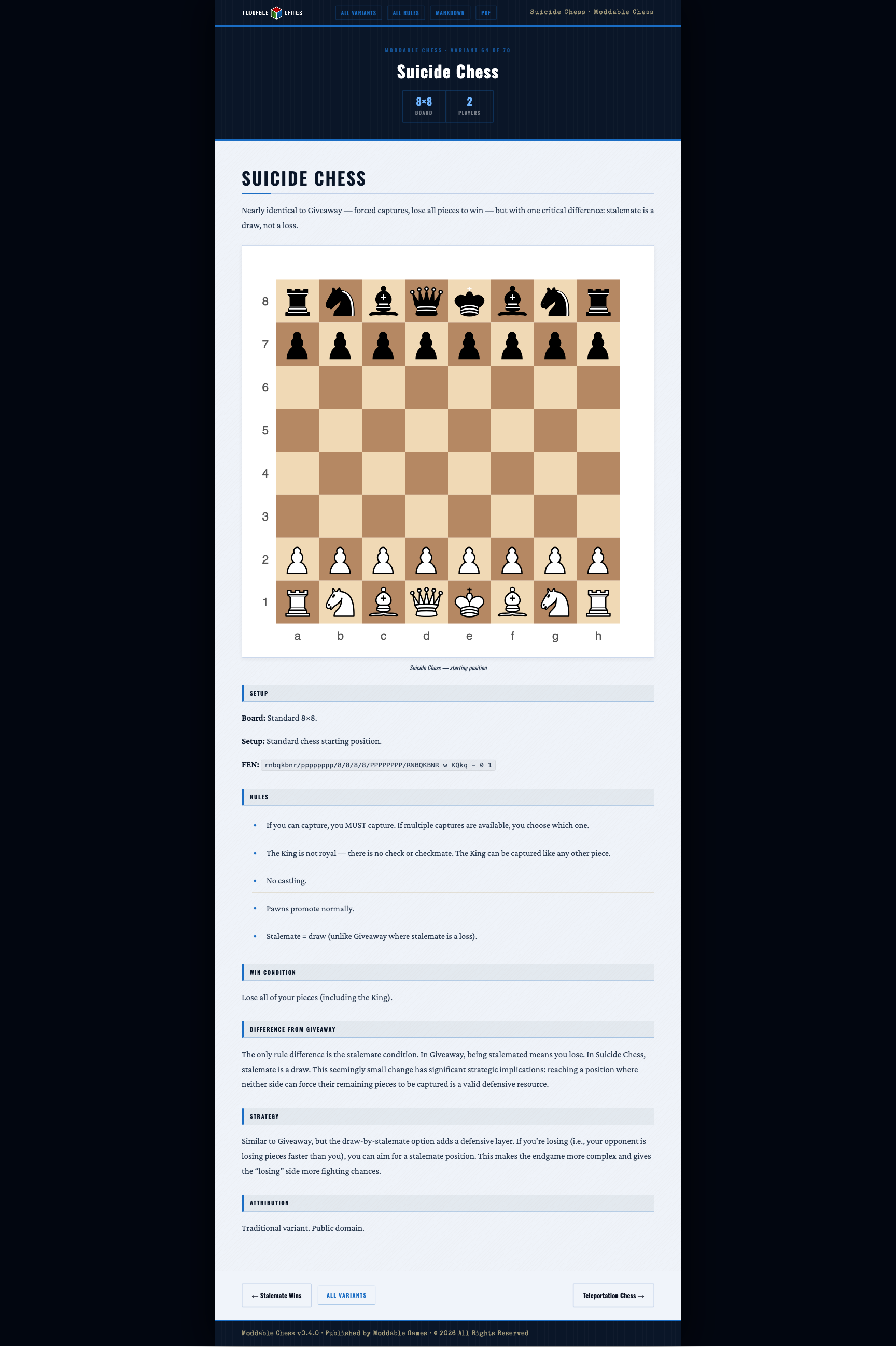
Most of the world's game knowledge lives in ephemeral places: Reddit threads that get archived, BGG posts that lose context, house rules scribbled on the inside of box lids. We want to give that knowledge a permanent home. Tell us which house rules deserve to be preserved.