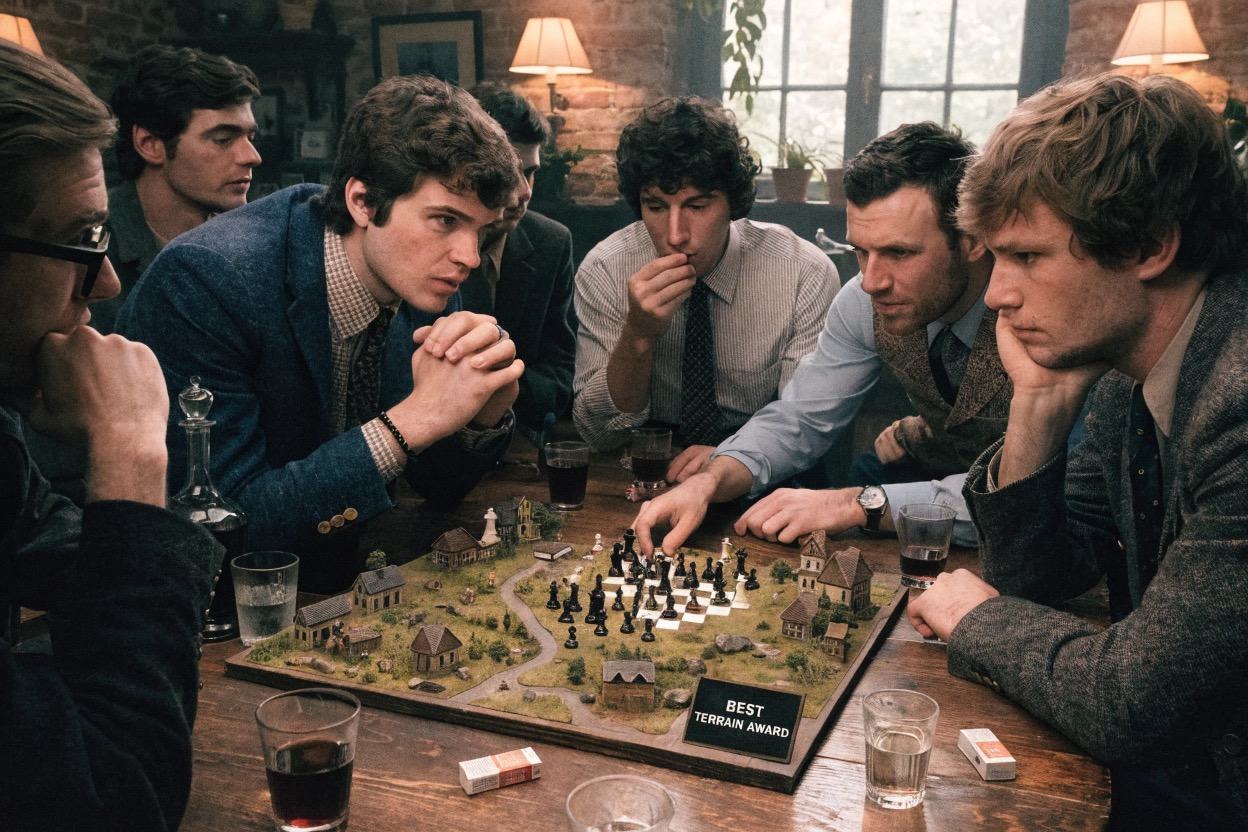
There's a distinct group of people, often found playtesting in board game cafes on a Sunday behind closed doors, who don't just play games. They tinker, tailor and say lore. Modders no longer represent slicksters on mopeds, but rather those that make meaningful modifications to existing games or actively contribute towards the creation of new ones in a group setting.
A quiet revolution
It seems fitting that mods are both nouns and verbs. As both an entity and an action, we wanted to explore what makes a mod matter and why modders mod what matters. In a world where video games have always embraced modding and in turn come to expect it, tabletop gamers have been doing it at a much smaller, disconnected scale quietly for decades. Around kitchen tables, in BGG threads and from the pages of home-printed expansions. The internet didn't invent board game modding, but it dramatically reduced the barriers to entry and the isolation. People share, iterate, and refine ideas within their engaged communities.
Systems thinking
Board games are systems. Once players understand a system, they start seeing leverage points that they can begin to bend. A dominant strategy or underpowered faction. Pacing issues that slow the experience or put off returning players. Modding is often an act of refinement.
The types of mods people create fall into recognisable categories:
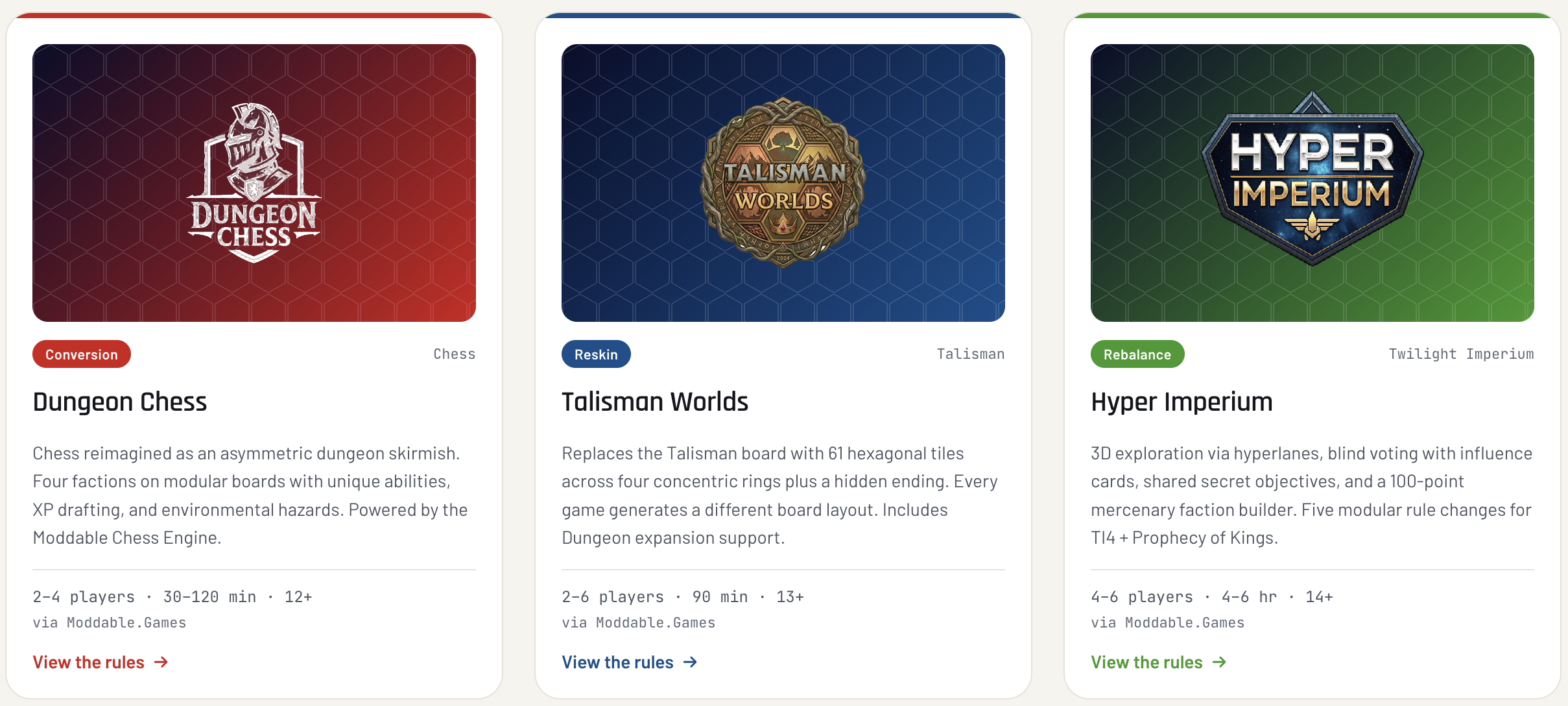
- Rebalances fix dominant strategies without changing identity
- Reskins apply new themes to existing mechanics
- Conversions keep the components but rebuild the rules
Centuries of play
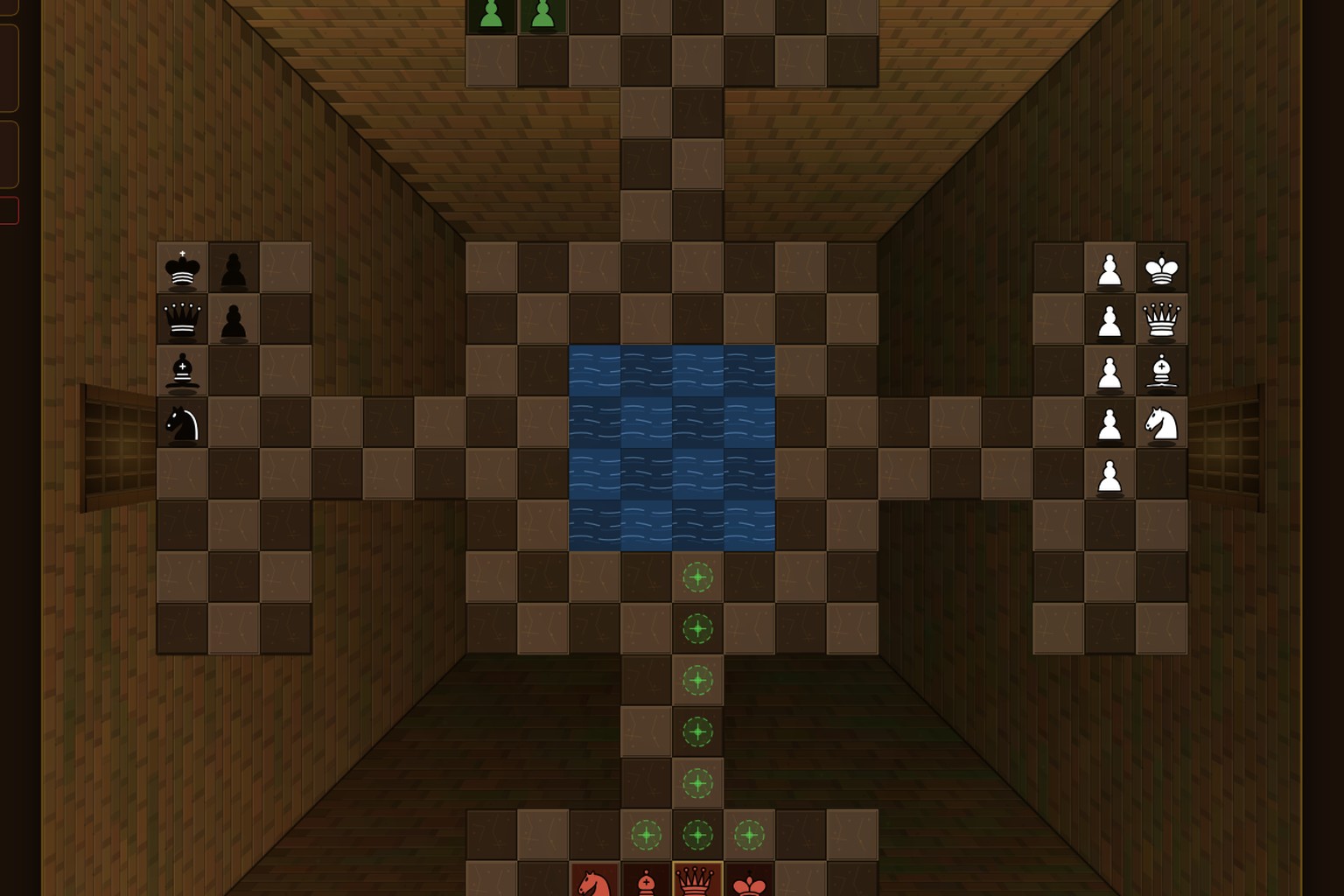
The earliest recorded board game modifications often involved shifting rules to reflect religious beliefs, transforming entertainment into morality, or evolving pieces to mirror the politics of the time. Chess alone has seen hundreds of regional variants over the centuries, each a community mod in its own right.
More recently, games like Twilight Imperium, Catan, and Carcassonne have developed thriving modding ecosystems. Communities have created new resource systems, scenario-based maps, alternate trading, scoring, and campaign-style progression.
Players as collaborators
Board gaming is not passive entertainment. It is participatory design. The moment someone says, "What if we change this rule?" they have crossed the line from consumer to creator. That's a transformative moment. Why not treat players as collaborators instead of just consumers?
"The games that survive and thrive over the next decade won't be the ones locked behind proprietary rulebooks. They'll be the ones that adapt, that welcome modification, that grow with their players."
What we're building
At Moddable.Games, we're building infrastructure making mods a first-class activity:
- Transparent engines — open-source code with plugin APIs
- Replaceable components — designed to be swapped and reskinned
- Community variants — equal visibility to official content
- Online experimentation — bots, themes, live-playable mods
We believe the future of tabletop gaming is not ownership. It is participation. The open-source model we are pursuing means every game we ship is designed to be taken apart. Which game do you think deserves a mod next? Share your thoughts with our community.