-
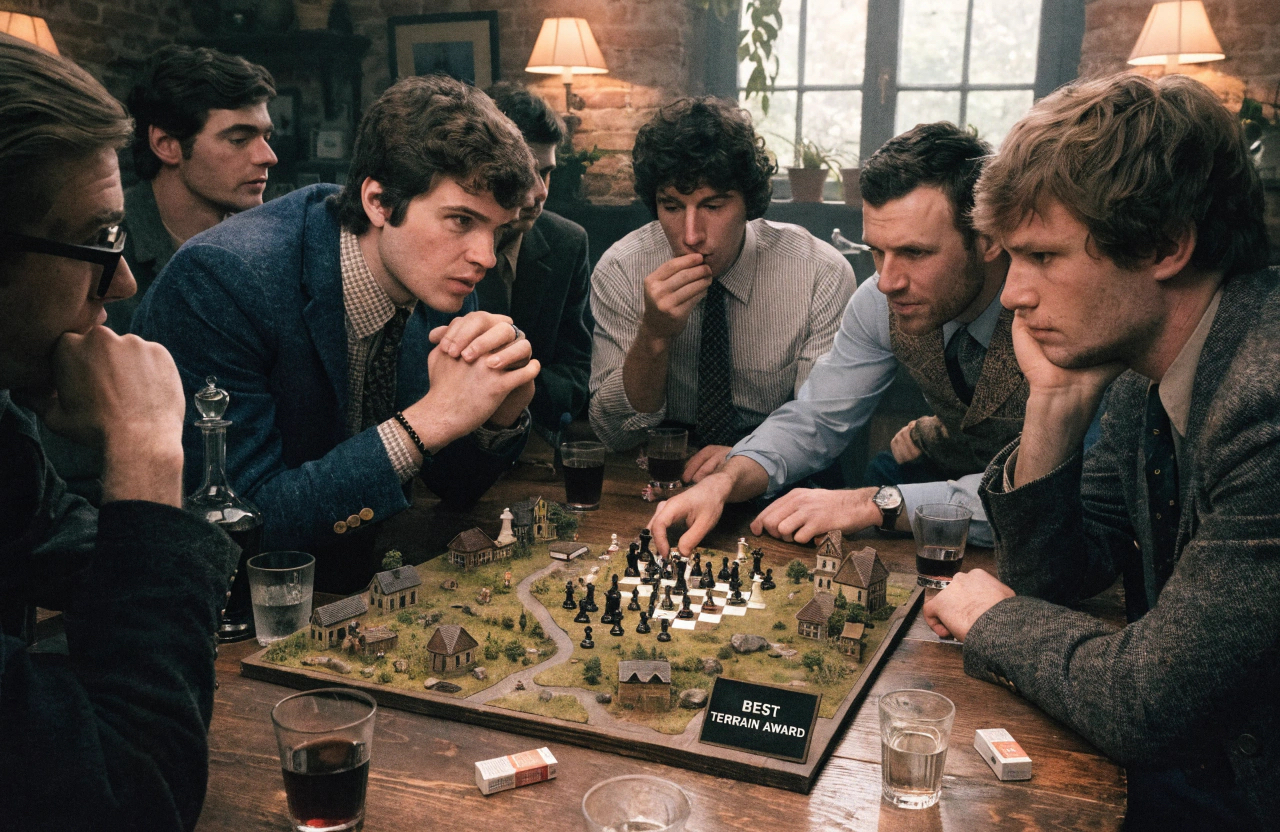
Making Mods Matter
There’s a distinct group of people, often found playtesting in board game cafes on a Sunday behind closed doors who don’t just play games. They tinker, tailor and say lore. Modders no longer represent slicksters on mopeds, but rather those that make meaningful modifications to …
-
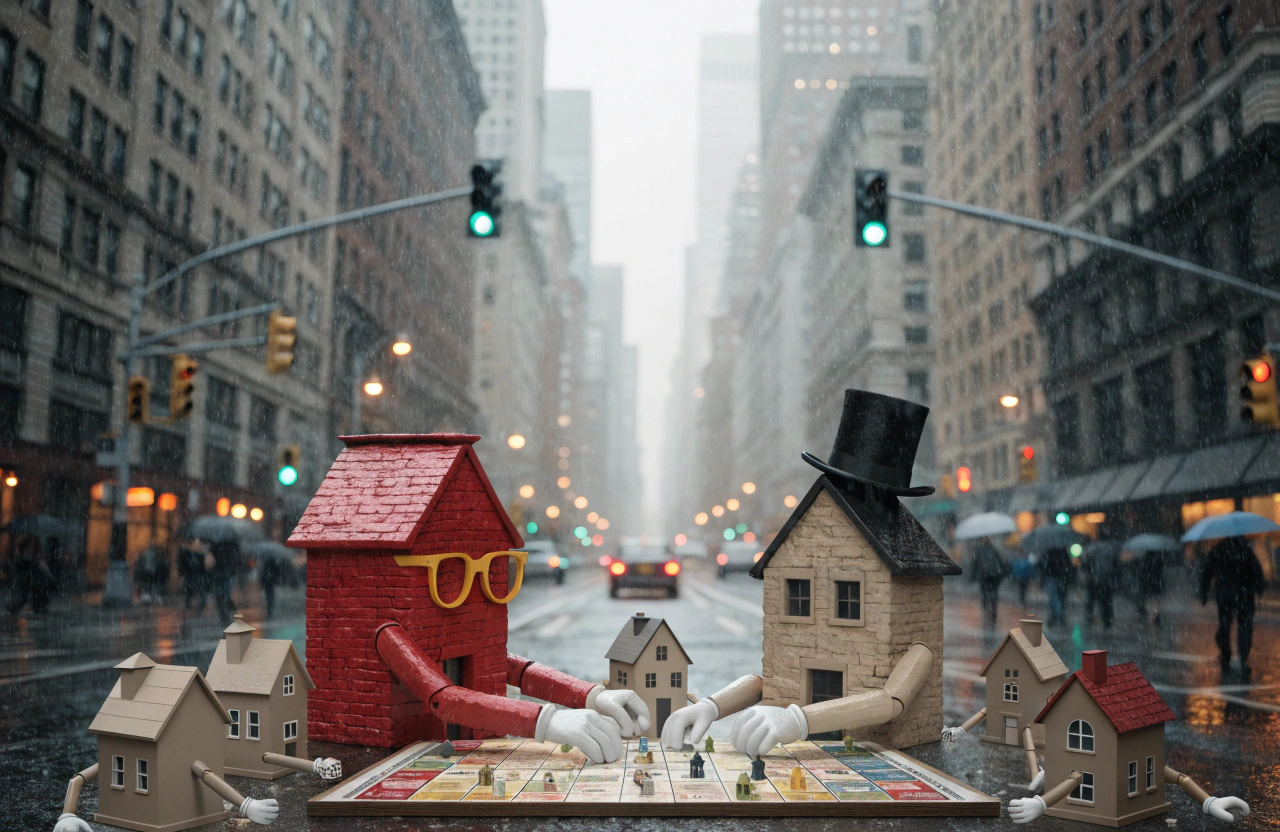
The House Always Wins!
Anyone who has rolled dice on a board has said at least once; “We don’t play it that way.” House rules are often dismissed as casual tweaks. Shortcuts for impatient players or patches for perceived flaws. Sometimes though, house rules do something much more interesting.
-
Open Sourcing Tabletop Games
Board games have traditionally been built on tightly protected intellectual property. Rules are copyrighted. Artwork is owned. Trademarks are guarded – and for good reason. Publishing is risky and the margins are thin. Creative labour deserves protection, but herein lies the paradox …
-
Tis The Season for Traditions
As the year comes to an end, something in the air starts to shift. Homes become louder. Tables fuller and schedules slower. Whether around a Christmas roast or during the candle-lit evenings of Hanukkah, families gather not just to exchange gifts, but to reconnect through the ritual of games.
-
Twilight’s Prophecies Thunder On!
A good board game should not only engage the table in what each and everyone is doing, but more importantly – who is doing what with who? A great game not only entertains the imagination, but also inspires creation. Few games embody this as well as Twilight Imperium.
-
Nuking Catan
Catan is popular. By some accounts, it’s the most popular game of the modern era. Known as a gateway game that’s sold over 45 million copies and introduced countless families to a life of board-games beyond Monopoly, it’s a game that enforces interaction between players.
-
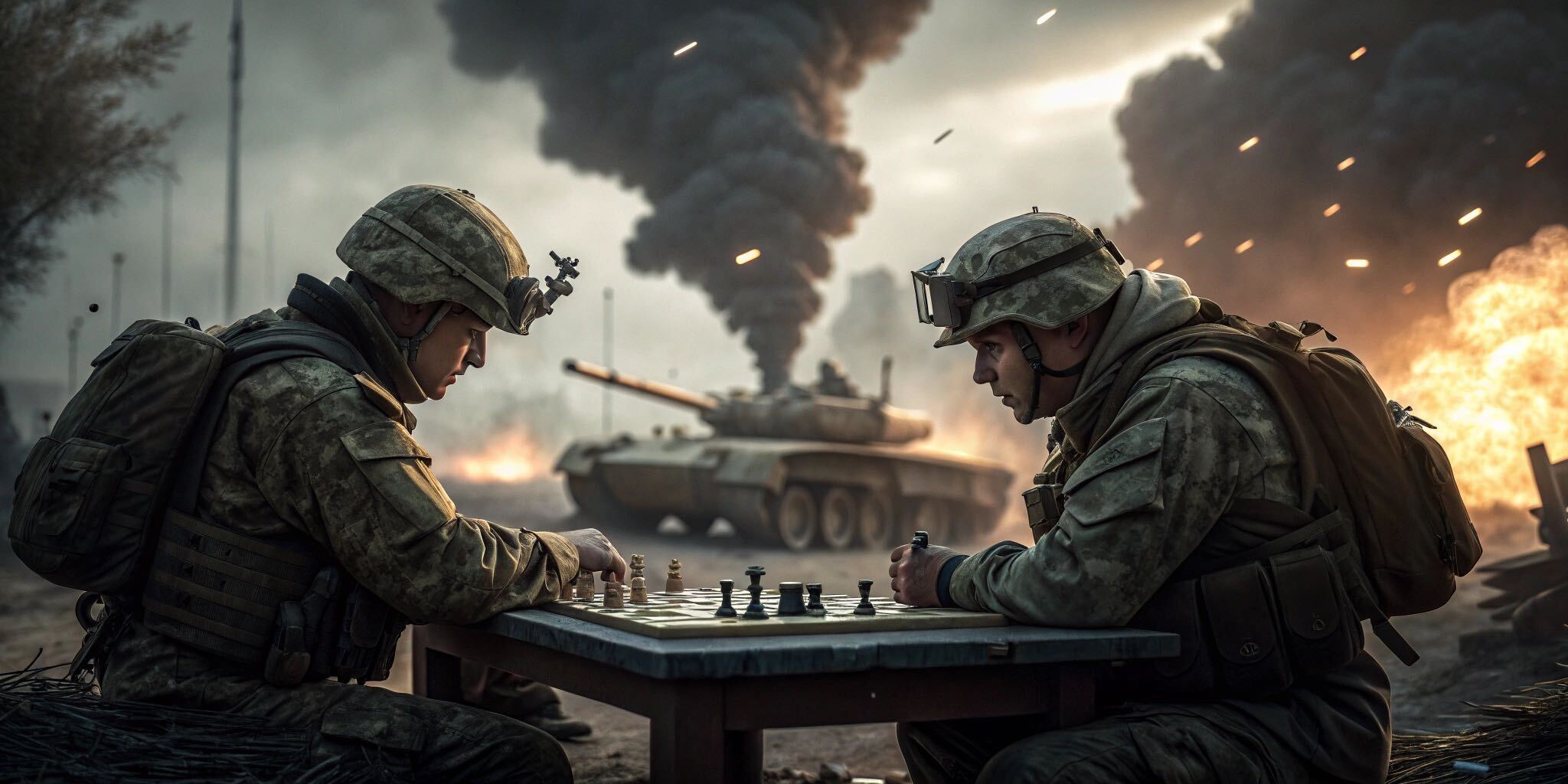
Conquering the Constrains of Chess
It was in 2012 that the obsession began. Starting out as a nagging question that has been repeatedly asked both before and since. If chess was designed today, how would the game differ? Would we continue riding horses into battle and do royalty still fight their wars on a square grid with two biomes?
-
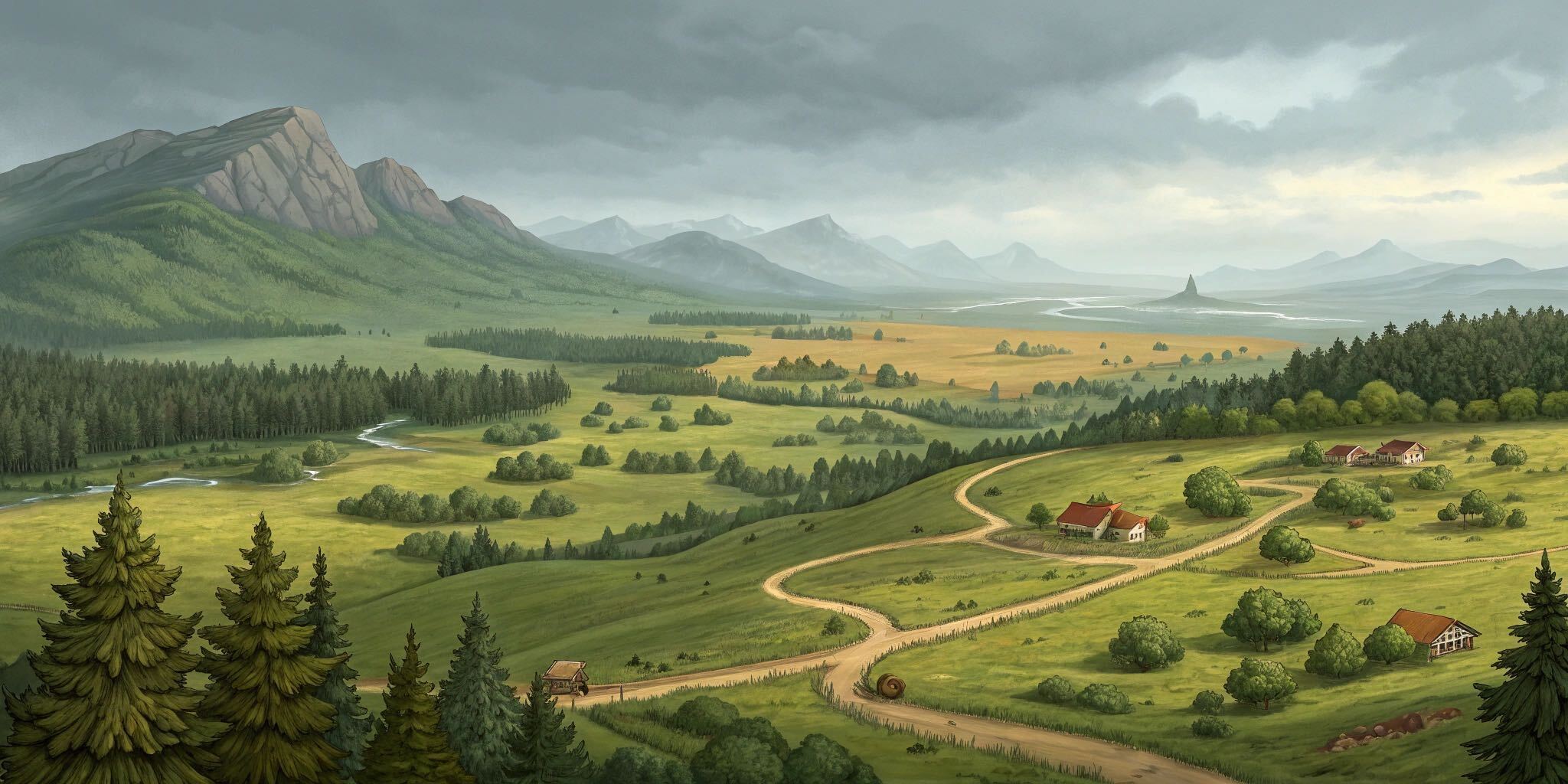
Spiralling Paths of Power and Peril
At first glance, Talisman looks harmless; a fairy-tale spiral of adventurers, monsters and magic. But anyone who’s sat at the table knows this is no stroll through central park. Beneath its nostalgic artwork and relentless dice rolls lies one of the most unpredictable, polarising and enduring fantasy …
-
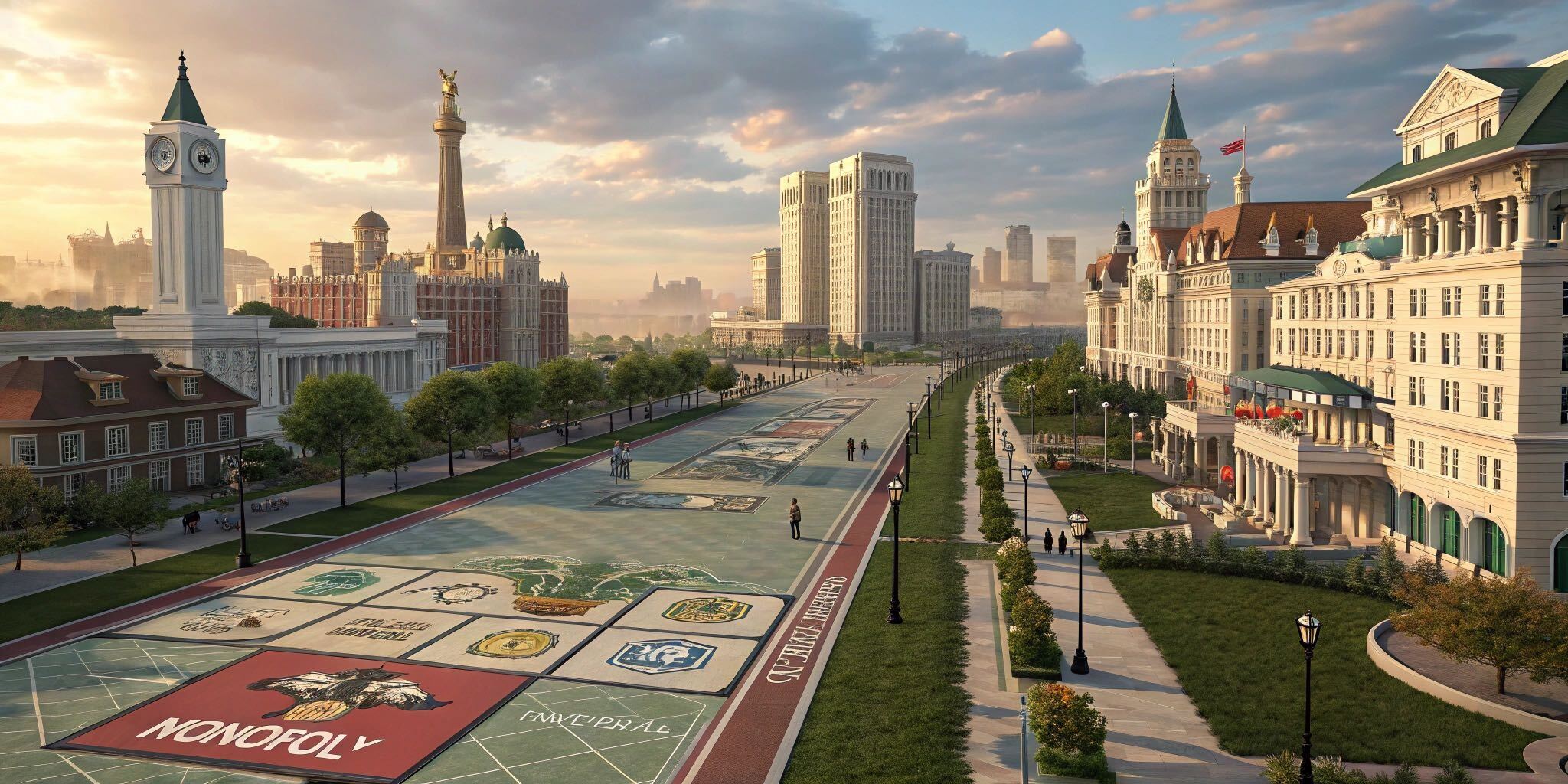
Monopolising Modified Variations
With over 275 million copies sold globally across more than 100 countries and translated into over 45 languages, Monopoly is not only the most popular board game released in the last 100 years, but it’s also one of the most frequently modified, with more variations than Barbie has outfits.
-
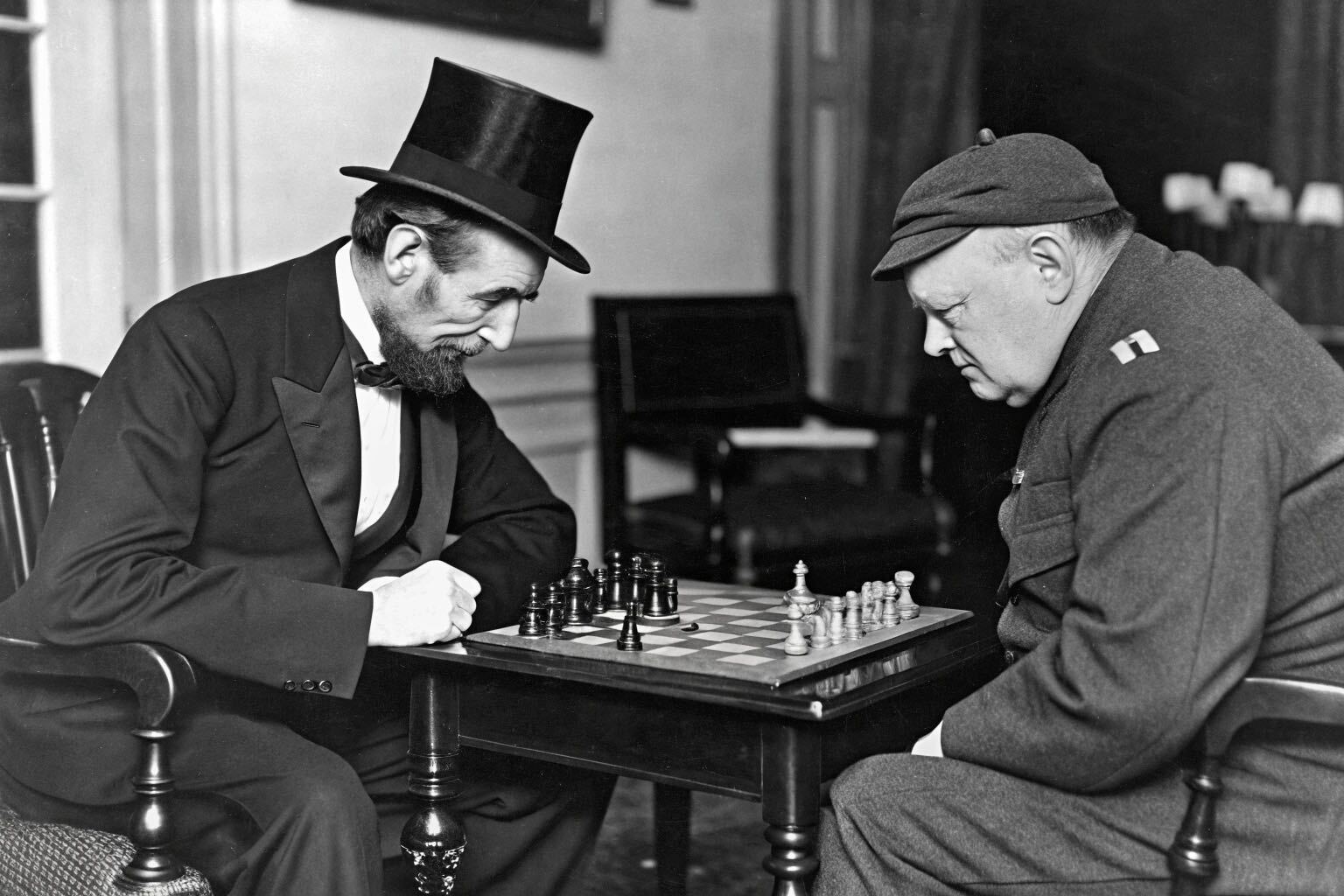
Making a Masterpiece by Modification
From Abraham Lincoln to Winston Churchill, Albert Einstein to Stephen Hawking, John Lennon to Ray Charles, William Shakespeare to Oscar Wilde – chess has permeated the very fabric of culture, politics, science and art. It has inspired poems, revolutions and even a few bar fights.