-

Beyond The Box
Most people think that the art of board game design begins and ends with the box. After all, the cover pulls you in, sets the tone and maybe even sells the game in a crowded store or otherwise doom-filled social media feed. However, once the lid comes off, something far more important takes over …
-
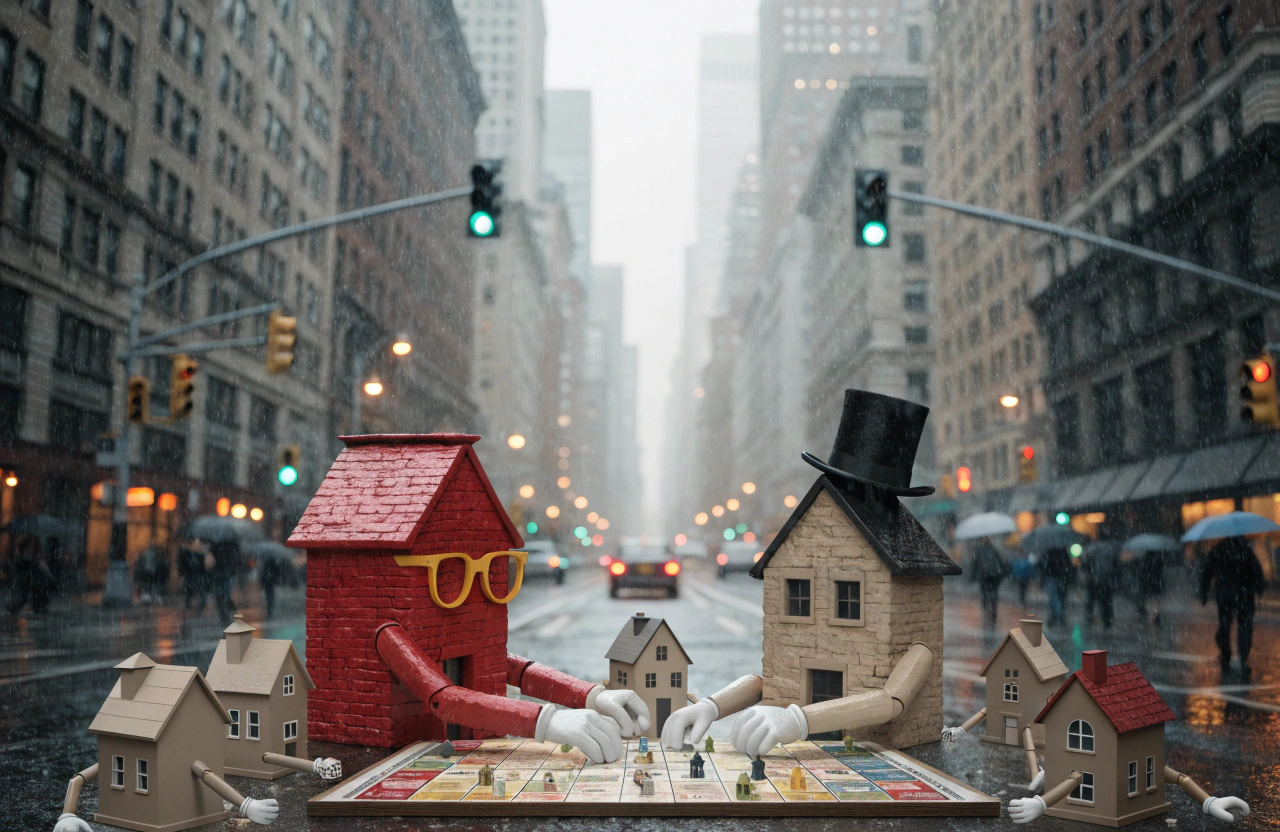
The House Always Wins!
Anyone who has rolled dice on a board has said at least once; “We don’t play it that way.” House rules are often dismissed as casual tweaks. Shortcuts for impatient players or patches for perceived flaws. Sometimes though, house rules do something much more interesting.
-
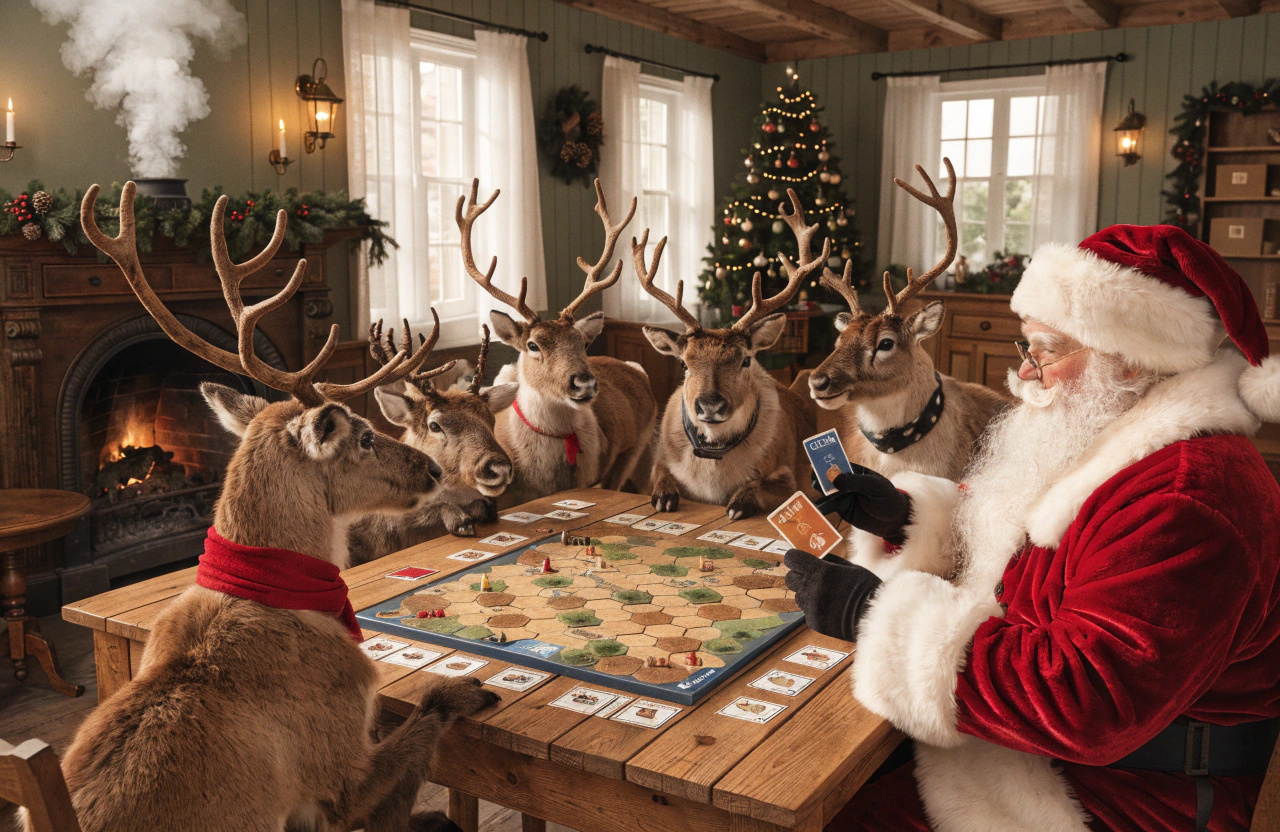
Tis The Season for Traditions
As the year comes to an end, something in the air starts to shift. Homes become louder. Tables fuller and schedules slower. Whether around a Christmas roast or during the candle-lit evenings of Hanukkah, families gather not just to exchange gifts, but to reconnect through the ritual of games.
-

Monopolising Modified Variations
With over 275 million copies sold globally across more than 100 countries and translated into over 45 languages, Monopoly is not only the most popular board game released in the last 100 years, but it’s also one of the most frequently modified, with more variations than Barbie has outfits.