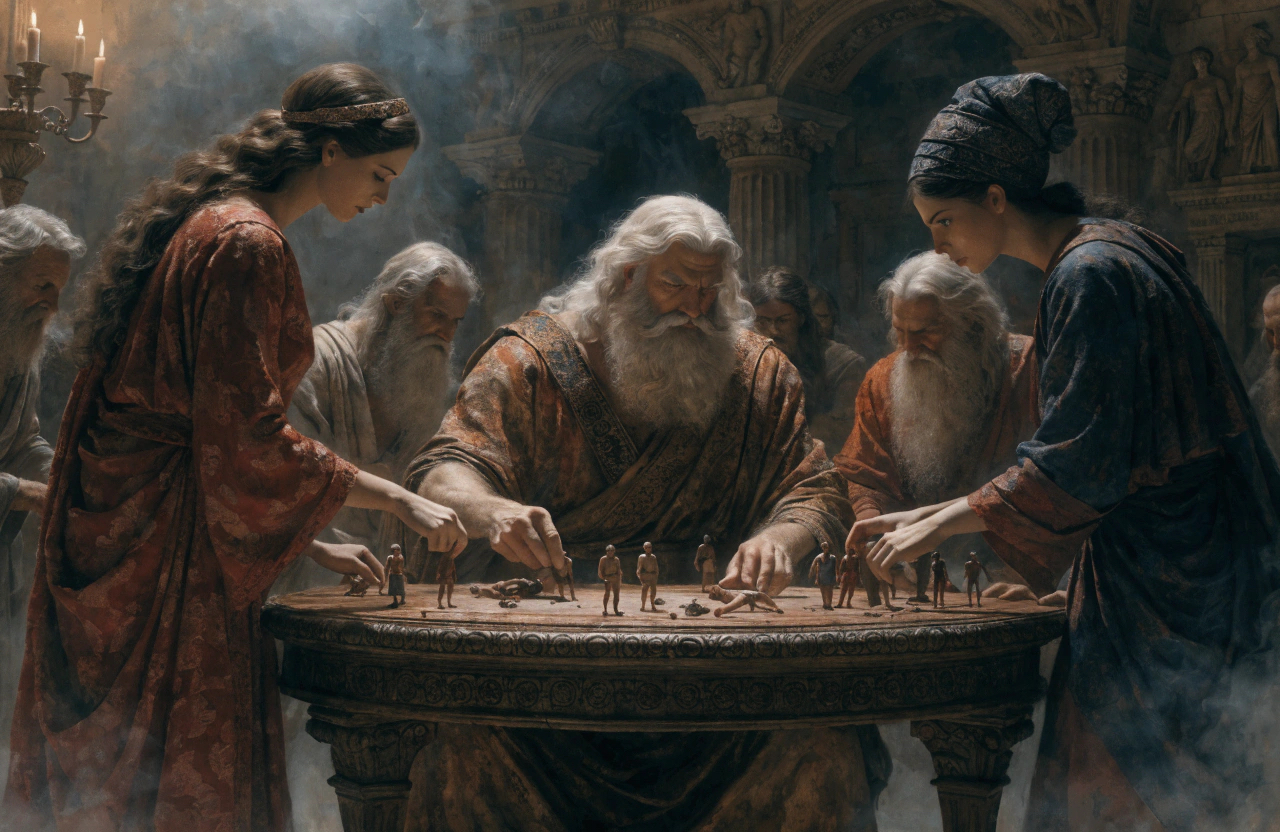
There’s a phrase that floats around modern board gaming circles: the “cult of the new”. It captures that familiar cycle of chasing the latest release, driven by curiosity, hype and just enough FOMO to keep shelves and wallets perpetually full. Yet for all the attention we give to what’s new, we rarely pause to consider what has already endured. Long before the absurdities of Gloomhaven’s component count, before Catan was considered the ultimate gateway and even before Chess, humans were already designing and playing games that would outlast entire civilisations. These weren’t fleeting trends or commercial hits; they were systems that persisted across centuries, evolving quietly through cultural propagation rather than the traditional marketing methods of today.
 The Game of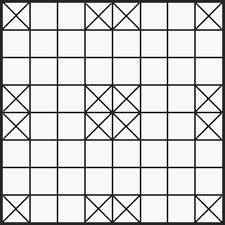
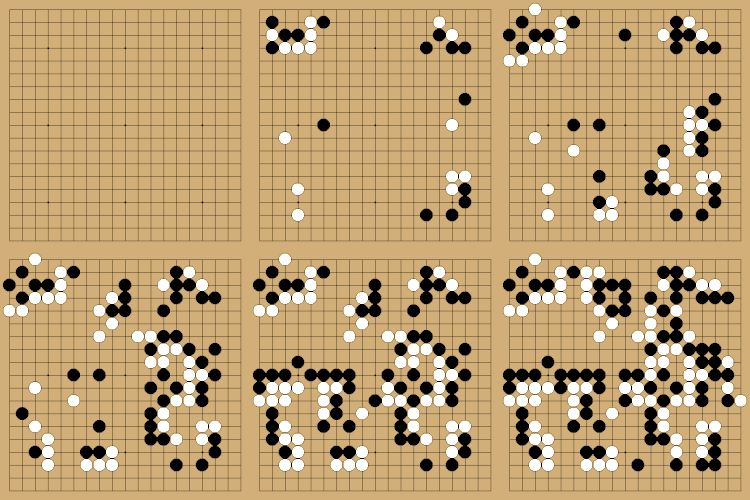
When we reset our sense of time, the idea of what constitutes an old game shifts dramatically. Titles like Ashtapada date back to around 600BCE, while Go has been played continuously for over four millennia. Even more striking, the family game known as Mancala may trace its origins back as far as 8,000 years. These are not simply early examples of leisure; they are cultural artefacts that have survived migrations, empires and technological revolutions. Their longevity suggests something deeper than entertainment value alone.
What becomes apparent is that many of the mechanics we celebrate in modern design are not new inventions, but rather rediscoveries of ancient thinking. The grid system we associate with Chess and XiangQi finds its roots in Ashtapada, where structured movement across a defined board first emerged. The concept of area control and emergent complexity is exemplified most purely in Go, a game whose simple rules generate a level of strategic depth that continues to challenge both humans and machines. Similarly, race mechanics and probabilistic movement, now staples in countless designs, can be traced back to The Royal Game of Ur and Backgammon, where dice-driven progression and risk management were already well understood.
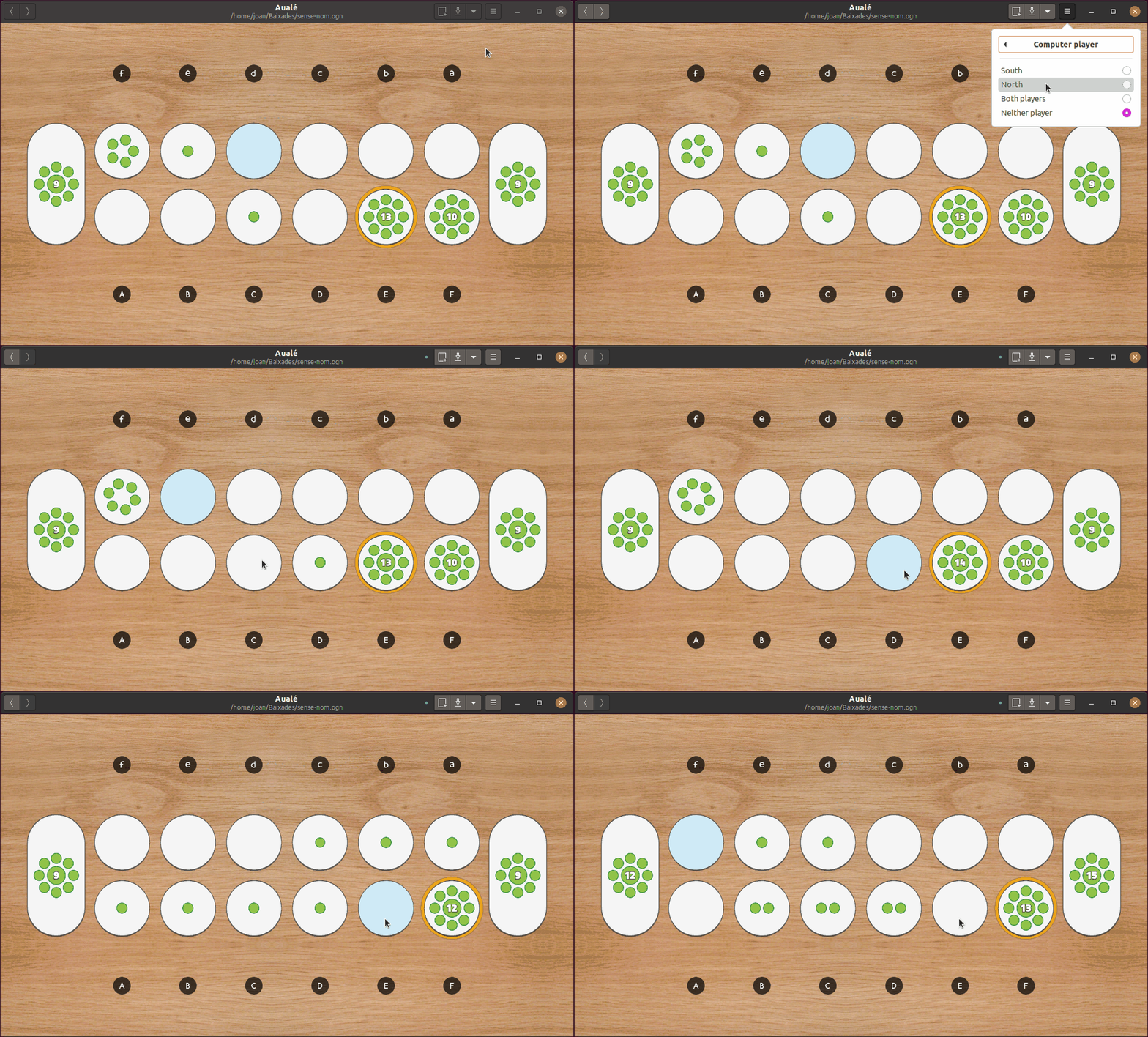
Pattern building and positional play, often seen in abstract strategy games today, were explored in systems like Nine Men’s Morris and Checkers, both of which rely on forming structures and gradually constraining an opponent’s options. Meanwhile, the resource cycling and efficiency optimisation that define many Euro games today are deeply embedded in the mechanics of Mancala and its family of variants, where players redistribute pieces in carefully calculated sequences. These parallels point to a continuity in how humans think, compete and solve problems through play.
Beyond mechanics, what is perhaps most compelling is the role these games played within societies. Senet was not merely a pastime but a reflection of spiritual beliefs, often interpreted as a symbolic journey through the afterlife. Mehen appears intertwined with mythology, its coiled serpent form suggesting ritualistic or symbolic significance. In ancient China, mastery of Go was considered the essential arts of a learned individual, alongside calligraphy and music. These examples illustrate that games were never just products; they were embedded in the cultural, philosophical and even religious fabric of their time.
This brings us to a critical reflection for modern designers. The games that have endured were not protected by intellectual property laws, nor were they optimised for monetisation or scale in the way we think today. They survived because they were simple enough to be learned quickly, flexible enough to be adapted across contexts and deep enough to remain engaging over repeated play. In essence, they were inherently moddable long before the concept existed. Players could recreate them with minimal materials, reinterpret their rules and pass them down through generations without losing their core identity.
In contrast, the modern industry often encourages replacement rather than evolution. New releases supplant old ones and innovation is frequently framed as novelty rather than continuity. Yet the history of games suggests a different approach; one where the goal is not to create something that will be replaced next year, but something that can evolve over time. The enduring success of these ancient systems challenges us to rethink what we value in design and to consider whether longevity might be a more meaningful metric than immediate impact. For Moddable Games, this perspective is more than historical curiosity; it is a design philosophy. The inspiration does not come solely from contemporary titles but from systems that have persisted across thousands of years without central ownership or control. Mancala, for instance, spread not through formal distribution but through its accessibility and adaptability. Anyone could create a version, modify it and share within their community. That openness is precisely what allowed it to endure.
Ultimately, the question facing modern designers is not simply how to create the next successful game, but whether it is possible to design something that people will continue to play, adapt, mod and share long into the future. The oldest games were not built for markets; they were built for people. And it was the community, not the publishers, who ensured their survival.